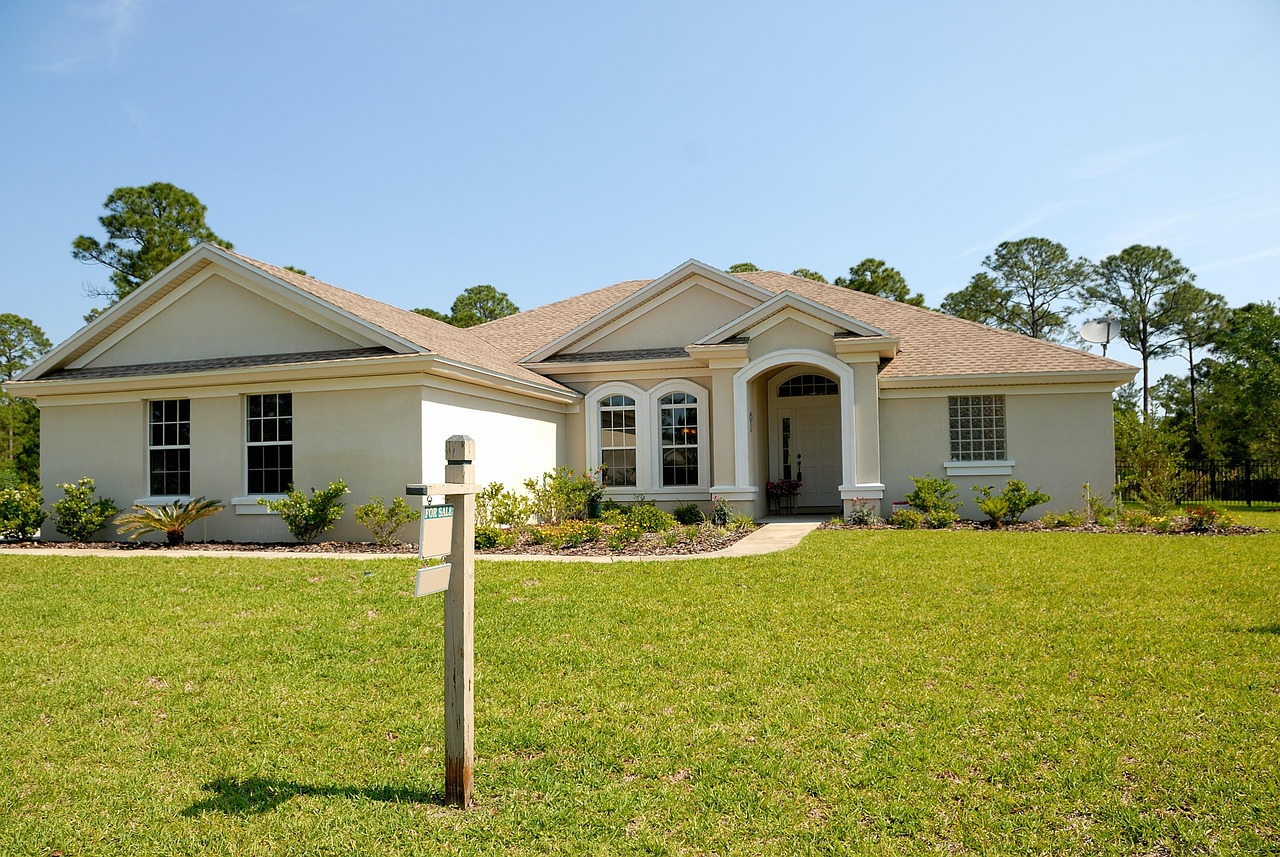
If you own a home in Ontario and are 55 or older, you can convert part of your home equity into tax-free cash without selling or making monthly mortgage payments. A reverse mortgage lets you unlock that equity while continuing to live in your home, giving you flexible cash for bills, renovations, or retirement needs.
This article explains how reverse mortgages work in Ontario, who qualifies, and what the application process looks like so you can assess whether this option fits your financial goals. Expect clear guidance on eligibility, costs, and important trade-offs to help you decide confidently.
Understanding Reverse Mortgages in Ontario
You can convert home equity into cash while continuing to live in your house, subject to age, property, and lender rules. The subsections below explain what the product is, who qualifies, the main product types, and how it differs from a home equity loan.
What Is a Reverse Mortgage?
A Reverse Mortgage Ontario is a loan that uses your home as collateral and does not require monthly principal repayments while you live in the home. Interest accrues on the outstanding balance and is added to the loan; repayment typically occurs when you sell the home, move out permanently, or pass away.
Most Ontario reverse mortgages let you receive funds as a lump sum, regular payments, or a line of credit. The loan amount depends on your age, the home’s appraised value, and current interest rates. You keep title to your home, but the lender registers a charge against the property. Interest rates are generally higher than for traditional mortgages, and fees apply for appraisal, legal work, and lender administration.
Eligibility Criteria for Ontario Homeowners
You must be at least 55 years old to apply for a reverse mortgage in Ontario. The product targets homeowners who want to access equity while remaining in their property.
The property must be your principal residence and meet lender standards for condition and location. Lenders usually require a minimum level of homeownership (often full ownership or a low remaining mortgage balance). You’ll also need a professional appraisal, clear proof of ownership, and a legal review; many lenders require independent legal advice as part of the process. Eligibility rules vary by lender, so compare specific requirements and maximum loan amounts before applying.
Types of Reverse Mortgage Products in Ontario
Lenders offer a few common delivery methods for funds. Choose based on cash needs and long-term plans.
- Lump sum: You receive one large payment upfront. Good for paying off an existing mortgage or large expenses.
- Regular payments: You receive fixed monthly or periodic payments for life or for a set term. Useful for supplementing retirement income.
- Line of credit: You draw funds as needed, paying interest only on amounts used. This offers flexibility and potential interest-cost control.
Some products combine options, for example a partial lump sum plus a line of credit. Contract terms—interest calculation, prepayment options, and portability—vary, so review the loan agreement and fee schedule carefully.
Differences Between Reverse Mortgages and Home Equity Loans
Reverse mortgages and home equity loans both tap your home’s equity but differ in repayment, eligibility, and borrower obligations.
- Repayment: Reverse mortgages postpone repayment until a defined end event (sale, move-out, death). Home equity loans require monthly payments of principal and interest.
- Age and residency: Reverse mortgages in Ontario require borrowers to be 55+, and the home must be the principal residence. Home equity loans have no age minimum and may be available on investment properties.
- Risk and costs: Reverse mortgages typically carry higher interest rates and compound interest added to the loan balance. Home equity loans often have lower rates but increase monthly cash outflow.
- Estate impact: Reverse mortgage balances reduce net home equity on sale, which can affect inheritance. Home equity loans also reduce equity but leave a clearer repayment schedule and interest cost structure.
Compare costs, monthly cash flow needs, and estate goals when choosing between the two.
Applying for a Reverse Mortgage in Ontario
You will follow a defined application path, gather proof of age, ownership and income, learn how lenders calculate your borrowing limit, and compare product features, rates, and fees to find the best fit.
Step-by-Step Application Process
Start by confirming you meet basic eligibility: you must be age 55 or older and own your principal residence in Ontario. Lenders typically require clear title and that you live in the home as your main residence.
Request initial quotes from two or three lenders or brokers to compare interest rates and payout options. Expect an interview where the lender reviews your financial situation and explains product terms, including how interest compounds and when repayment is required.
If you proceed, the lender orders a home appraisal to determine market value. After appraisal and underwriting, you’ll receive a formal offer showing the loan amount, fees, interest rate type (fixed or variable), and repayment triggers. Sign the mortgage documents with a lawyer or notary who will register the reverse mortgage on your property title.
Required Documentation
Prepare government ID showing birth date, such as a driver’s licence or passport, to confirm you meet the age requirement. You will also need proof of home ownership: the current deed, property tax bill, or a recent mortgage statement.
Provide documentation of any existing mortgages or liens so the lender can determine how much equity remains. Bring copies of recent property tax receipts and home insurance proof to show the property is current on taxes and insurable.
Expect to supply banking information for deposit of proceeds and statements that demonstrate you can maintain property costs (utilities, taxes, insurance). If you apply with a spouse or co-borrower, include their identification and ownership documents as well.
How Much Can You Borrow?
Lenders calculate your maximum advance using your home’s appraised value, your age (or youngest borrower’s age), current interest rates, and product-specific advance factors. Older borrowers generally qualify for a larger percentage of home value.
Typical advance rates for reverse mortgages in Canada tend to be lower than first mortgages — often a fraction of home value — because the loan is designed to preserve some estate value. Ask lenders for a written calculation showing the appraised value, the advance percentage they use, and the resulting loan amount.
Remember fees and interest reduce the equity remaining in the home over time. Use lender-provided amortization projections or an independent calculator to see how interest accrual affects the balance and potential estate value at different time horizons.
Choosing the Right Lender
Compare at least three lenders or accredited brokers. Look for transparent disclosure of interest rates (and whether they’re fixed, variable, or adjustable), all fees (origination, appraisal, legal), and prepayment or repayment triggers.
Check lender experience with reverse mortgages in Ontario, client reviews, and whether they require mandatory financial counselling. Confirm their appraisal process—who orders it and whether you can use your own appraiser if you prefer.
Read the loan contract with a lawyer experienced in reverse mortgages. Negotiate items that matter to you: payout structure (lump sum, line of credit, or monthly), portability if you move, and options for partial repayment to reduce interest costs.