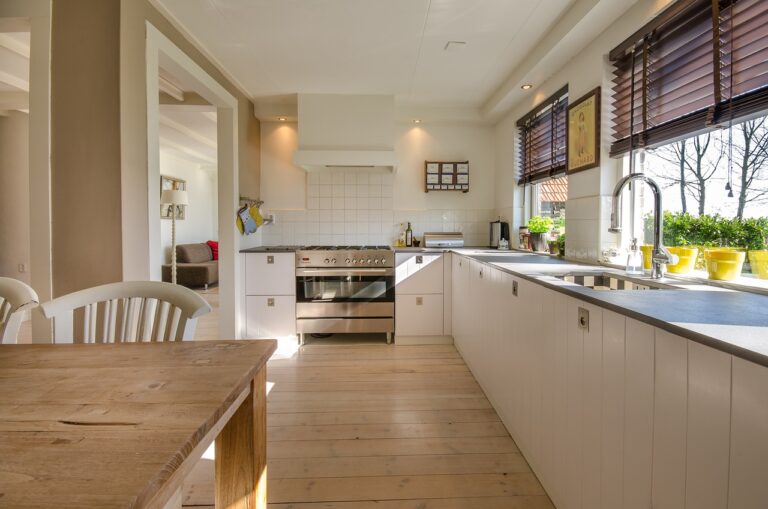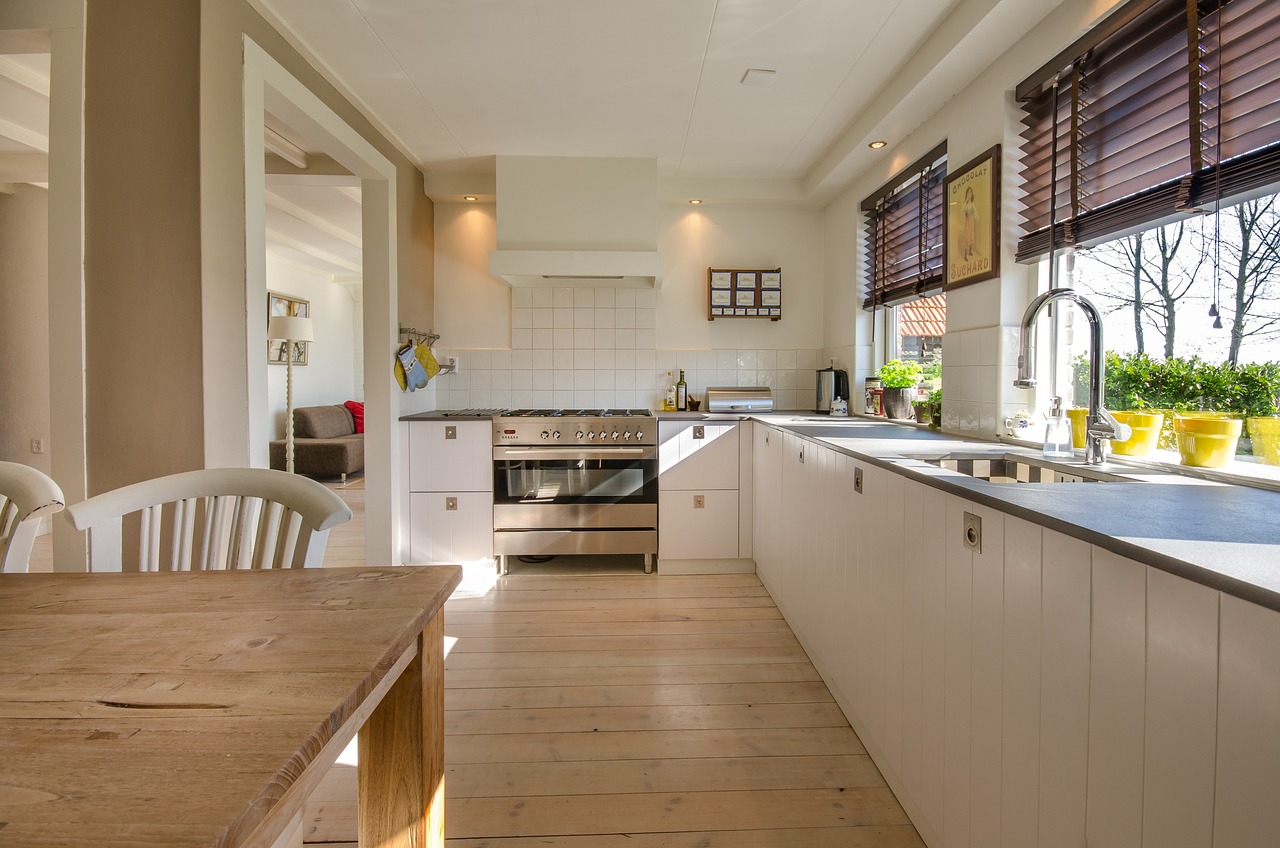
Kitchen Remodeling can make your kitchen more functional, attractive, and valuable without turning your life upside down by focusing on layout, storage, and durable finishes that match your lifestyle. A thoughtful remodel centers on a practical layout, smart storage, and materials that balance cost and longevity, so you get daily ease and long-term value.
This article walks you through realistic planning steps, budget choices, and the key design and construction elements that determine success. Expect clear guidance on assessing your space, prioritizing changes, and avoiding common pitfalls so your project stays on time and on budget.
Planning Your Kitchen Remodeling Project
Decide how much you will spend, what work you want done, and which design direction you will follow before contractors start. Clear decisions on budget, scope, and style prevent delays and unexpected costs.
Setting a Realistic Budget
Start by listing fixed costs and flexible choices. Fixed costs include structural work, plumbing, electrical upgrades, and permits. Flexible choices cover cabinets, countertops, appliances, and finishes; these are where you can save or splurge.
Use this simple allocation as a guide:
- 40–50% labor and structural (installation, carpentry, electrical, plumbing)
- 20–30% cabinetry and hardware
- 10–15% countertops and backsplash
- 5–10% appliances and fixtures
- 5–10% contingency (minimum 10% for older homes)
Get three bids for major trades and compare itemized estimates, not just totals. Track bids in a spreadsheet and mark allowances for selections. Hold a contingency fund for hidden issues like rot or outdated wiring; you’ll avoid work stoppages if surprises appear.
Determining Project Scope
Define the outcome in measurable terms: square feet to reconfigure, number of cabinets replaced, and which walls will move. Specify tasks such as relocate sink 18 inches, install 36-inch induction range, or add 6 recessed lights. Those specifics let you get accurate estimates.
Decide if you want cosmetic updates (paint, hardware, floor refinishing) or a full gut remodel (new layout, new mechanicals). Plan a timeline with phases: demolition, rough-ins, insulation/drywall, finishes, inspections. Confirm permit needs early and factor inspection wait times into the schedule to prevent delays.
Selecting a Remodeling Style
Pick a primary style and two secondary features to guide choices. For example: “Modern farmhouse” with shaker cabinets and matte black pulls, or “Contemporary” with flat-panel cabinets and quartz waterfall countertop. Naming these specifics speeds selection of materials and contractors.
Create a mood board with 6–10 photos showing cabinetry, countertops, backsplash, lighting, and flooring. Note exact color codes, tile sizes (e.g., 3″x6″ subway vs. 12″x24″ porcelain), and finish types (satin vs. gloss). Share that board with your designer or contractor so purchases and mockups match your vision.
Key Elements of a Successful Kitchen Remodel
Focus on durable, functional choices that match how you cook and how your household uses the space. Prioritize materials, layout efficiency, and lighting plus appliance performance to maximize daily use and long-term value.
Choosing Materials and Finishes
Select materials that balance durability, maintenance, and budget. For countertops, choose quartz for low maintenance and stain resistance, or granite if you want heat tolerance and natural variation. Use a minimum 3 cm thickness for stone tops in high-use areas to prevent chipping.
For cabinets, prefer plywood boxes with soft-close hinges over particleboard for better longevity. Pick finishes that hide wear: matte or textured paints and wood veneers mask fingerprints better than high-gloss surfaces. Specify moisture-resistant cabinet interiors near the sink and consider pull-out drawers for pots and pans to reduce bending.
Flooring should resist spills and foot traffic. Porcelain tile, luxury vinyl plank, and sealed engineered hardwood are practical choices; match underlayment to your subfloor for stability and warranty compliance. Use water-resistant grout and choose grout color to minimize visible staining.
Space Optimization and Layout Design
Start with your workflow: place sink, range, and refrigerator in a compact, unobstructed triangle with 4–9 feet between each point. Keep at least 36 inches of clear aisle space for one cook and 42–48 inches for multiple cooks or an island.
Design zones for prep, cooking, cleaning, and storage. Locate cutting and prep space adjacent to the refrigerator and sink. Install a 30–36 inch landing space on the hinge side of the oven and 15 inches of counter on the handle side for safe transfer of hot trays.
Use vertical storage: full-height cabinets, pull-out pantry shelves, and toe-kick drawers increase capacity without expanding footprint. Integrate appliance garages and drawer organizers to reduce countertop clutter. Plan electrical and plumbing in early design to avoid costly reroutes later.
Lighting and Appliance Upgrades
Layer lighting for function and ambiance: recessed task lights over work areas, under-cabinet strips for countertops, and dimmable ambient fixtures for the whole room. Aim for 300–500 lux on prep surfaces; use LED fixtures with CRI 90+ for accurate color rendering.
Choose appliances sized to your lifestyle. A 30–36 inch range suits most families; opt for 36+ inches if you cook frequently for large groups. Consider energy-efficient models with good service networks; look for induction cooktops for faster, cleaner cooking and convection ovens for consistent results.
Plan circuits and ventilation to match appliance upgrades. Install a range hood sized to the cooktop width and vented outdoors with at least 400 CFM for gas ranges. Place dedicated circuits for high-draw appliances like dishwashers and ovens to reduce tripped breakers.