You want a countertop that looks like natural stone, resists stains and scratches, and comes from a company focused on lower crystalline silica and recycled materials. Silestone quartz delivers a durable, low-maintenance surface engineered from quartz and other minerals, with patented Hybriq+ technology that reduces crystalline silica while offering wide color and finish options.
This post will explain what Silestone Quartz Countertop actually is, why its composition and sustainability matter for your home, and where it performs best, including kitchen islands, bathroom vanities, and high-traffic commercial surfaces. Expect clear comparisons of durability, maintenance, and design choices so you can decide whether Silestone fits your project and lifestyle.
What Is Silestone Quartz Countertop?
Silestone is a branded engineered surface made primarily from quartz, resin, pigments, and recycled materials. It delivers a non‑porous, durable countertop option with proprietary surface treatments and a wide range of visual styles.
Composition and Manufacturing Process
Silestone slabs are roughly 85–95% natural quartz crystals mixed with polyester resins, pigments, and often recycled glass or mineral fillers. Quartz provides hardness and scratch resistance, while the resin binds the blend into a dense, non‑porous composite that resists stains and limits bacterial growth.
Cosentino manufactures Silestone using a controlled industrial process that compacts and cures the mixture under vibration and pressure. The company applies proprietary technologies — for example, formula enhancements to reduce crystalline silica content and surface treatments that improve gloss, color depth, and hygiene. Factory finishing produces consistent thickness, edge profiles, and options like polished, suede, or textured volcano finishes.
Silestone vs. Natural Stone
Compared with granite or marble, Silestone is engineered for uniformity and low maintenance. You avoid the variable veining and porosity of natural stone, so sealing is unnecessary and everyday spills are easier to clean.
Silestone matches or exceeds many stones in scratch and stain resistance due to its high quartz content and resin matrix. However, it can be damaged by extreme heat or very sharp impacts; you should still use trivets and cutting boards. If you need natural variation and heat tolerance, choose stone; if you want consistency and easier upkeep, Silestone suits your needs.
Available Colors and Patterns
Silestone offers an extensive palette: solid colors, stone‑look veining, metallics, and designs that mimic marble and concrete. Cosentino produces both subtle neutrals and bold pigments, plus finishes that change the tactile feel and sheen of the surface.
You can choose polished high gloss, matte/suede, or textured volcano finishes depending on your aesthetic and functional priorities. Custom colors and limited‑edition collections are available through installers and showrooms, and matching upstands or integrated sinks can create a seamless look.
Benefits and Applications of Silestone Quartz Countertops
Silestone combines high hardness, a wide selection of colors and finishes, and reduced crystalline silica content in its formulation. You get surfaces that resist everyday damage, fit varied kitchen and bathroom layouts, and offer choices that factor in recycled content and antimicrobial properties.
Durability and Maintenance
Silestone is made largely from natural quartz, giving it strong resistance to scratches, chips, and cracks compared with softer surfaces. That hardness means you can prepare food directly on the countertop with less worry about knife marks, though using a cutting board still preserves the finish.
The material resists staining from common household items like wine, coffee, and oil when you wipe spills promptly. Routine maintenance requires only a mild detergent and water; avoid strong acids or abrasive pads to protect any polished or textured finish. Sealing is not needed, so you save time and recurring costs versus porous stones like natural marble.
Uses in Kitchens and Bathrooms
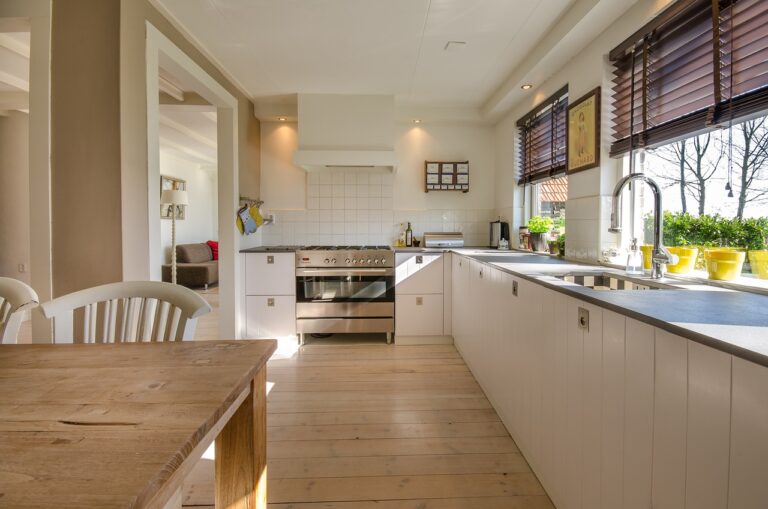
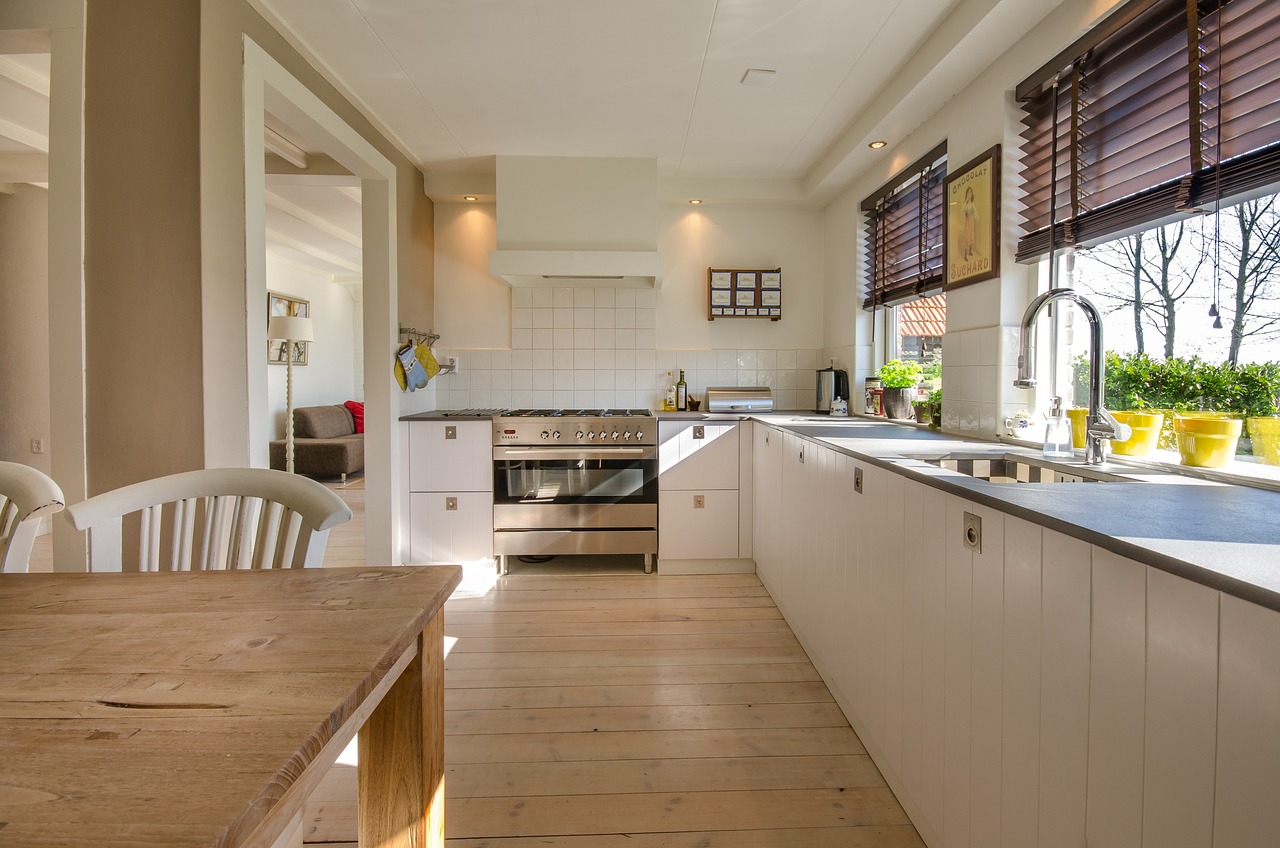
In kitchens, Silestone works well for countertops, islands, backsplashes, and waterfall edges because of its uniform color and consistent patterning. You can match island tops and perimeter counters precisely, which benefits open-plan layouts and large surface runs. It also supports undermount and integrated sinks for a clean look.
In bathrooms, Silestone suits vanities, shower walls, and ledges where water resistance matters. Its non-porous surface reduces moisture penetration and simplifies cleaning of soap scum and toothpaste. Fabricators can fabricate thin edge profiles and complex cutouts, so you can choose contemporary or traditional profiles without sacrificing strength.
Environmental Considerations
Cosentino’s Hybriq+ and similar processes reduce crystalline silica and incorporate recycled materials into many Silestone lines. You should verify product-specific Environmental Product Declarations (EPDs) or sustainability datasheets for exact recycled content and silica levels before purchase.
Silestone’s long lifespan lowers the need for replacement, which reduces material consumption over time. End-of-life recycling options vary by region, so check local programs or manufacturer take-back initiatives if minimizing landfill impact matters to you.