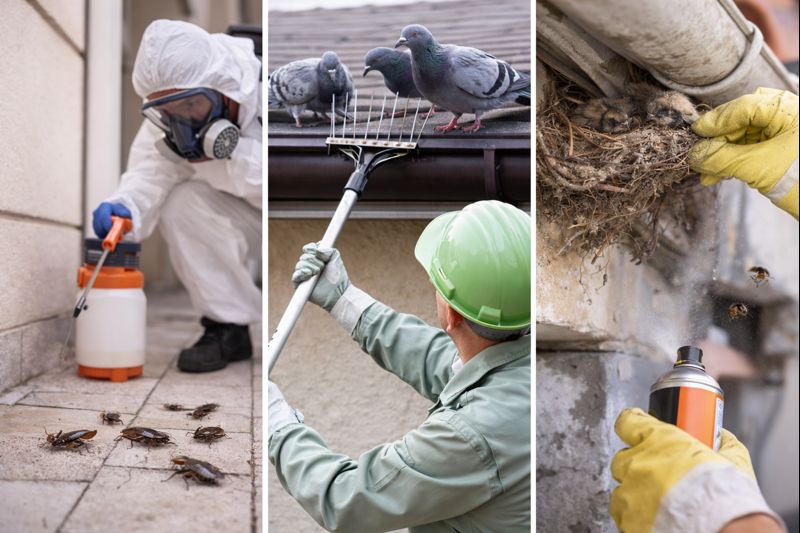
Pests threaten comfort, health, and your home’s structure, so act before a small problem becomes costly. Professional home pest control services identify the pest, remove it safely, and set up prevention plans tailored to your home and season.
You’ll learn how different services—one-off treatments, seasonal protection plans, humane options, and emergency call-outs—match specific problems and budgets. Understanding these choices helps you pick the right home pest control provider and regain control quickly.
Types of Home Pest Control Services
You’ll learn specific tactics for insects, rodents, and seasonal prevention so you can choose the right treatment and understand what technicians will do at your property.
Insect Management Solutions
You can expect targeted treatments for common insects like ants, cockroaches, spiders, and bed bugs. Technicians usually perform an inspection to locate nests, entry points, and harborage areas, then apply one or more of these approaches:
- Residual liquid or granular treatments for exterior perimeter and indoor baseboards.
- Bait stations and gels for ants and cockroaches that carry poison back to colonies.
- Localized heat or steam for bed bug infestations where chemicals can’t reach eggs.
- Insect growth regulators (IGRs) to stop immature insects from maturing and reproducing.
Ask about product labels, active ingredients, and re-entry times. Request written follow-up plans and guarantees for recurring problems.
Rodent Control Methods
Your rodent program should combine exclusion, trapping, and sanitation. Effective steps include:
- Rodent-proofing: sealing gaps larger than 1/4 inch around pipes, vents, soffits, and foundation cracks.
- Snap traps and multi-catch traps placed along runways and behind appliances.
- Tamper-resistant bait stations only when legal and appropriate, monitored on a schedule.
- Sanitation recommendations: store food in sealed containers, remove clutter, and correct moisture issues that attract rodents.
Technicians will mark activity areas, estimate infestation size, and set a monitoring cadence. Insist on service records showing trap checks and any changes in baiting or exclusion work.
Seasonal Pest Prevention
Preventive work changes with the calendar to address peak activity for mosquitoes, ticks, termites, and overwintering insects. Key seasonal actions include:
- Spring: perimeter barrier sprays, crack sealing, and attic insulation checks to prevent overwintering pests.
- Summer: mosquito and tick treatments for yards, standing water removal, and targeted shrub/ground treatments.
- Fall/Winter: aggressive exclusion, bait-and-trap programs for rodents seeking shelter, and pre-winter termite inspections.
Schedule quarterly or bi-monthly visits timed to local pest life cycles. Ask for a written seasonal plan that lists specific services, timing, and homeowner actions you must take between visits.
Choosing the Right Home Pest Control Provider
You need a provider that matches the pest type, your home’s layout, and your safety preferences. Focus on licensing, demonstrated experience with the specific pest, treatment methods offered, and clear cost and service terms.
Factors to Consider When Hiring
Verify the company’s license and insurance before booking. Licensing confirms they meet local regulatory standards; insurance protects you if damage or injury occurs during treatment.
Check documented experience with the pest you have—termite work differs from rodent or bed bug protocols. Ask for references or recent job photos and read third-party reviews for recurring issues or praise.
Request a written inspection report and a clear treatment plan that lists products, timelines, and follow-up visits. Confirm any guarantees or warranties in writing, including what they cover and the time period.
Compare pricing models: one-time service, seasonal contracts, or pay-per-visit. Choose the model that fits your infestation level and budget, and watch for large upfront discounts that hide costly add-ons.
Comparing DIY vs. Professional Services
DIY works for minor, isolated problems and can save money on simple ant or spider issues. You control product choices and timing, but you must follow label instructions precisely for safety and effectiveness.
Professional services offer advanced tools—baits, dusts, fumigants, and structural treatments—and trained technicians who diagnose root causes. That expertise reduces repeat treatments for complex pests like termites, bed bugs, or persistent rodent infestations.
Consider cost vs. outcome: DIY may require repeated treatments and escalate expenses if the infestation spreads. Professionals often provide integrated pest management (IPM) strategies that combine exclusion, sanitation, and targeted treatments to lower long-term costs.
Check licensing and product access: pros can apply restricted-use pesticides and provide documentation for insurance or real estate transactions—advantages DIY approaches cannot match.
Safety and Eco-Friendly Practices
Ask for a list of products the company uses and their EPA registration numbers. That lets you verify active ingredients, safety data, and approved uses for residential settings.
Prefer companies that offer Integrated Pest Management (IPM). IPM emphasizes sealing entry points, moisture control, habitat modification, and targeted product use to reduce pesticide reliance.
Request non-chemical or reduced-risk options when possible, like baits, traps, heat treatments for bed bugs, or mechanical exclusion for rodents. Confirm re-entry intervals and precautions for children, pets, and sensitive individuals.
Insist on written instructions for post-treatment care and emergency contact information. Proper communication minimizes exposure risks and ensures you know when spaces are safe to re-enter.